Waiting times can be both fun and learning times
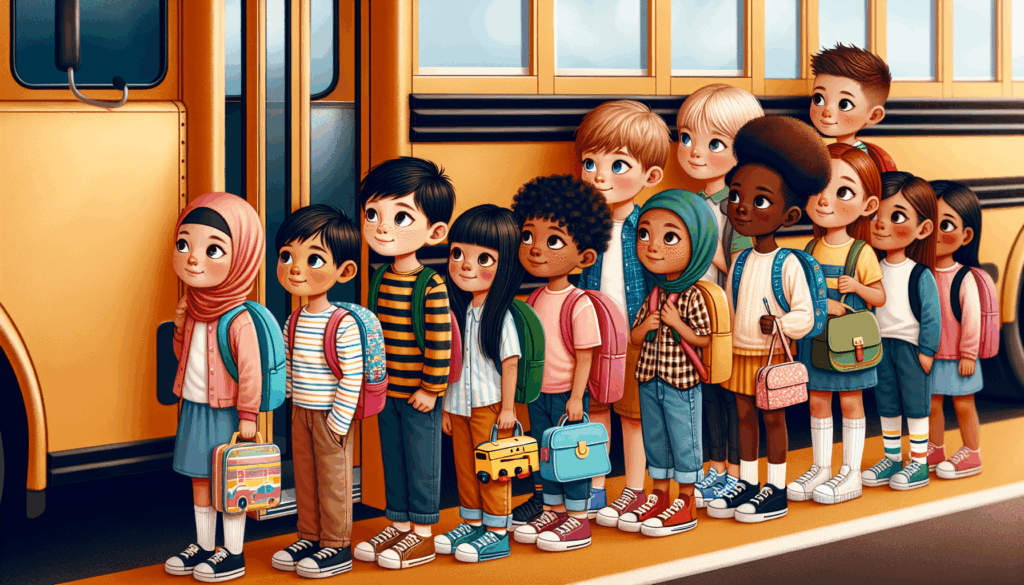
Every teacher or childcare provider serves children who often have to wait for the next activity to take place. Children have to wait for the bus, for a parent to pick them up, other children to be ready for the next activity, or something else.
We know that children who have nothing to do will find something to do.
Having nothing to do frequently results in restlessness and misbehavior. As a teacher I realized that preventing inappropriate behavior required planning engaging activities for these moments. Over time, I learned that having simple, fun tasks readymade, waiting times became smoother and turned into opportunities for positive interaction and learning.
Let me tell you a couple of stories about waiting.
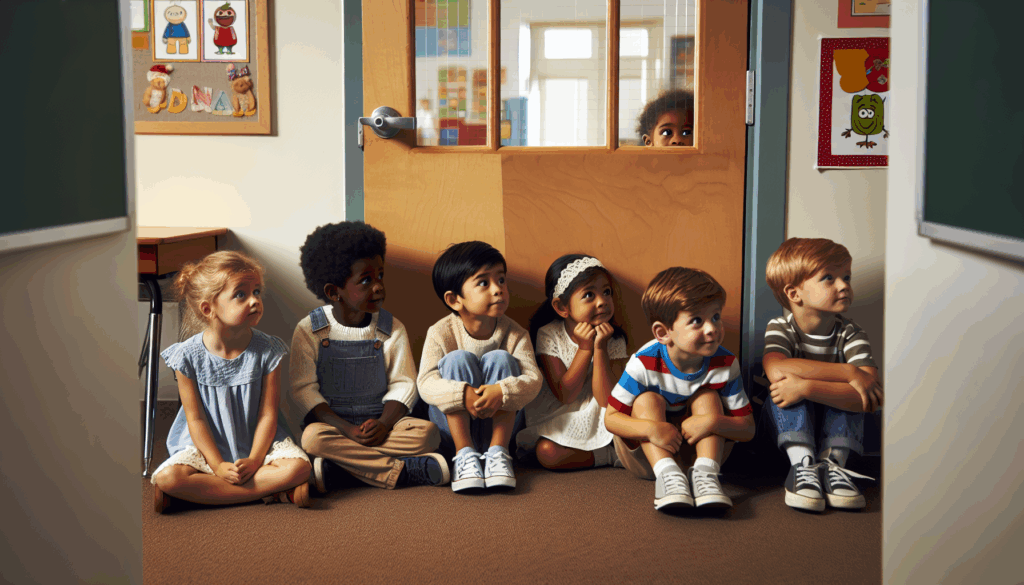
When I was teaching Head Start, I would usually wait until all the children were ready to go before, we left the room to go to the outdoor play yard.
One winter day after getting my coat on I went to the door to go outside and found a group of 4 or 5 children sitting by the door – just sitting there quietly. I asked these 5-year-olds what they were doing, and they said, “We’re getting organized.” I smiled. That was the expression that I used frequently when I wanted children to prepare for another activity. Seeing those kids there and hearing their explanation of what they were doing just made me smile! They had decided to wait quietly – but they had a reason – they were getting organized! I’m still smiling!
The second story that I recall has to do with a teacher who found a very creative way to help children wait. I was in a large room where some 30 young children (3- to 5-year-olds) were preparing to ice skate, assisted by adults. While they waited, one teacher engaged a small group of children in a circle game resembling “London Bridge,” The teacher and one child formed a bridge with their hands as the others walked underneath, singing and laughing together. Everyone was having a great time.
Afterward, I asked the teacher about the game and learned that yes it was “London Bridge Is Falling Down” and that she had translated it into Chinese and taught it to the children enabling them – regardless of background—to sing along enthusiastically. It was inspiring to see children enjoying a familiar game in another language, highlighting the value of sharing culture and realizing that waiting ideas can not only be fun but can also be learning activities.
Here are some Waiting Ideas, activities that those who work with young children could use when children need to wait for something else to happen.
Click here to download a copy of this blog post.
Waiting Ideas
Here are some activities that staff can play with children as they wait for the fire drill to be over, wait for parents to come pick them up, or wait in line for their turn. These activities don’t take any equipment to play and have fun.
GAMES
- Pretend games (Pretend you are at the zoo, farm, ice cream store, what do you see?)
- Ring Around the Rosy
- Follow the Leader
- Simon Says
- Duck, Duck, Goose, Goose
- “I spy something ___________” (green, blue, big, little, round, square, etc.)
- Guess what I’m doing/feeling? (pantomime)
- Walking your feelings (happy, sad, silly, scared, angry, joyful, curious, knowing)
- Color game (I’m thinking of something green.)
- Jump high, jump low, spin high, spin low
STORIES AND OTHER IDEAS
- Make up stories. They should always have happy endings!
- Start a story and have the children end it. Always end with something positive!
- Make up riddles – Q. When is it unsafe to walk in the rain? A. When it’s raining cats and dogs!
- Dramatize favorite stories.
- Do finger plays with children.
- Start a story and have children, one-by-one, add to it. – “One day when I was walking to school, I saw a ________ and (another child) I saw a ________ and (another child) I saw a ________ and – – – – – –
- Sing songs (some silly – The bear went over the banana, instead of the mountain.)
- Do relaxing exercises – make body stiff, then relax, be a rag doll.
- Lie on tummy or back, look at trees, put arm in position of branches.
- Role play animals, people.
- Tell stories, riddles, proverbs of the local area.
- Sing songs that grandma sang.
The above lists are an adaptation of material from Children’s Disaster Services, New Windsor, MD.