“The hardest part was having to leave my friends behind.”
I am sharing with you a document that was written by Cam do Wong a few years ago.
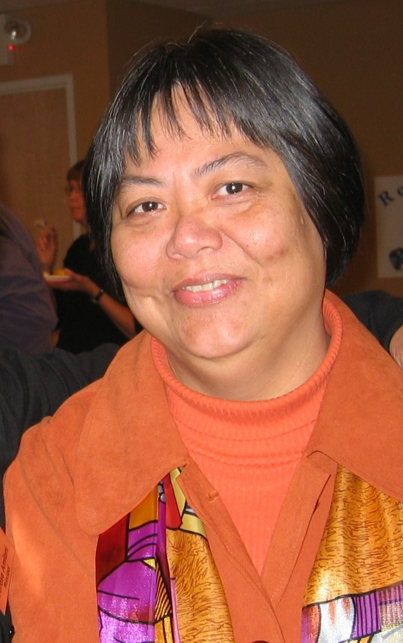
Cam was a refugee woman of about 18 when she got to the US in the 1970s as part of a group of people who escaped Viet Nam by boat and were referred to by the term ‘boat people’. Eventually she was diagnosed with PTSD and for the last few years struggled with the symptoms that became part of her life. She died when she was in her early 60s, several years ago now.
Cam and I had become friends, and I cherished every moment we were together. She valued life fully and I enjoyed being part of that. Throughout those difficult years the symptoms of PTSD were evident and no matter how hard she worked at mitigating them they continued.
One day after I had known her for several years, and she had learned to trust me, I asked her what the hardest part of being a refugee was. Her response as tears were streaming down her face was,
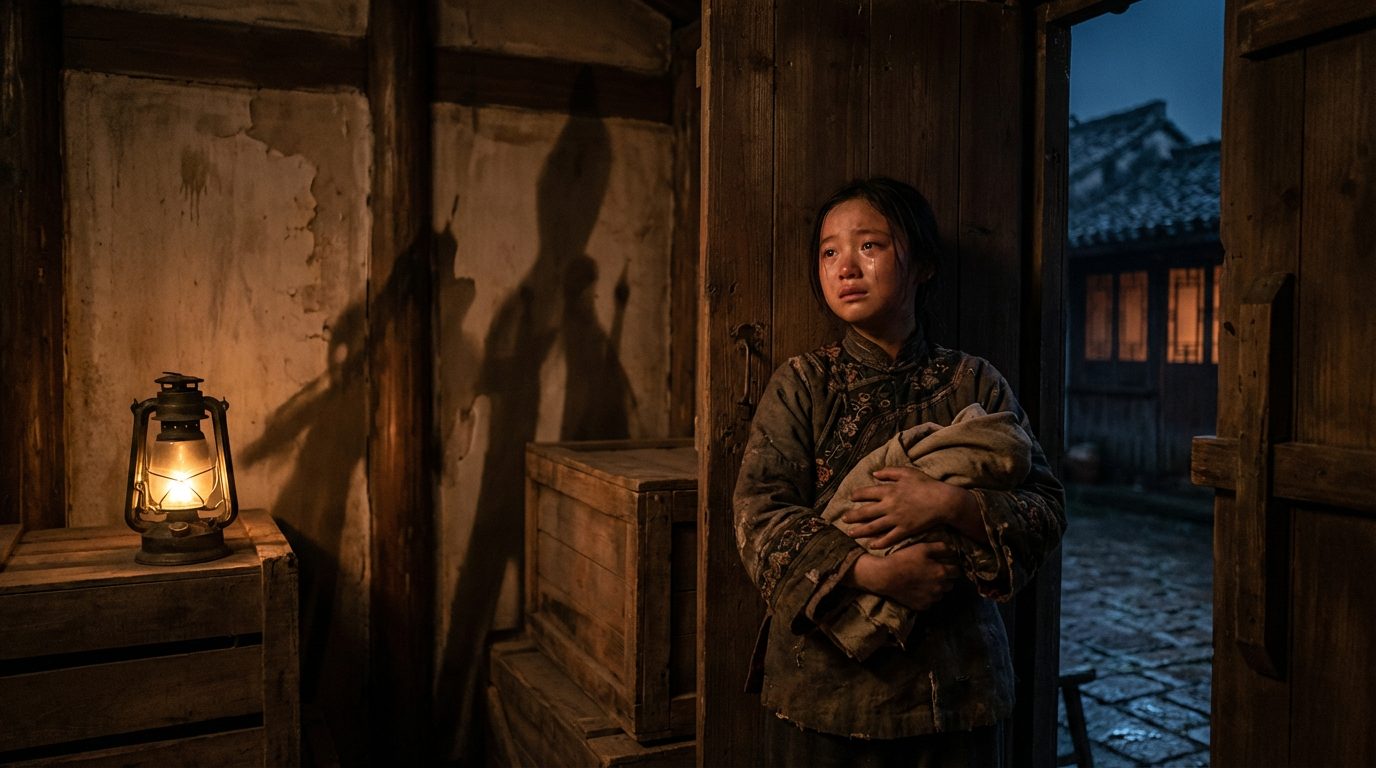
“The hardest part was having to leave my friends behind. Not being able to say goodbye. I knew our family was going to leave but I was forbidden to tell anyone. It had to be a secret. And it was. But just disappearing one night was very, very difficult! I knew I would probably never see my friends again. And I haven’t!”
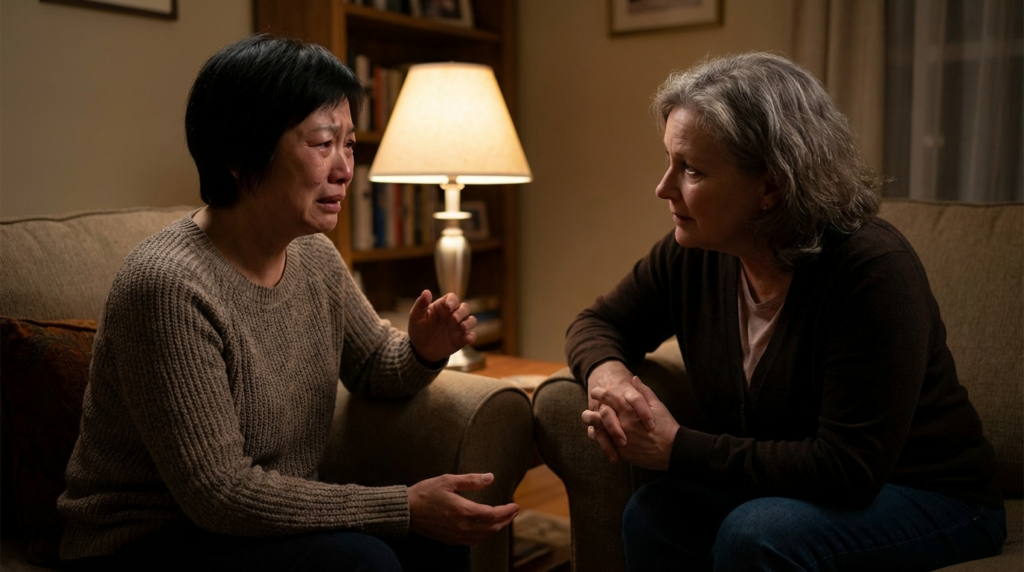
AI generated image depicting the conversation
Cam became a great teacher and teacher trainer. She did everything she could to help people understand what refugees experience. Not only what they experience but what teachers and other caregivers can do with, and for, children as they adjust and become more familiar with a new life and all that goes with that.
Cam was an important person in my life. She was never too busy to explain how she was feeling or never too shy to describe ways that I might do something differently to be better understood or to listen more closely to someone who was describing their experiences and their feelings.
It is with these thoughts and feelings that I share Cam’s words with you. I value them greatly and I hope you will too.
How Children Learn
By Cam do Wong
Reprinted by Beryl Cheal
In class after the instructor provides some information or lecture the Instructor would ask: “Does anyone have any questions?”
Being an English language learner it took me a long time and many steps to process what the instructor said. I first had to translate what the instructor said. Then I checked myself to see if I had any questions from the learning materials. And if I had a question, than I had to formulate my thoughts into the question in my home language. Then I translate my question or statement into English to ask the instructor.
The whole process took a few minutes for me. By the time, I was ready to respond to the instructor he or she had already moved on to other subjects. After a while, I learned to question the instructors’ intention and disregard what the instructors asked.
So when I worked with English language learners, I make sure I speak slowly, pause after I ask a question. And sometimes I repeat the question.
The speed of conversation is very fast in America. It’s difficult for me to respond in time. The waiting time between when one person speaks and another speaks is very short. I have a hard time getting into the conversation.
Also, I noticed the instructor likes the students to share their ideas, thoughts and opinions in class. In my home culture, I am taught to listen and not to speak. When I was a child, my parents always said: “The bucket that is full doesn’t make a lot of noise. The bucket that is full does not make any noise.” It took me a long time to learn to express myself and speak up in group. When I worked with participants who came from different cultures, I often reminded them that asking questions, sharing ideas and offering opinions are very important. Squeaky wheels get the grease.
Many of the classes that I took required a lot of group discussion. I struggle with my cultural concepts that the instructors have the knowledge to educate the students. Why are the students doing all the talking?
The instructor often asked the students to share their opinions and thoughts in class. I have a difficult time coming up with my own ideas and opinions because the students were never asked or given the opportunity or skills to reflect and give opinions, thoughts and ideas in my culture. It took me many years to learn and master the skills. Therefore, I constantly had to remind myself to be patient and to allow students time to practice the skill.
To live and learn in the new culture and a new educational system was very complicating. Life can be overwhelming at times. There are a lot of unanswered questions, feelings and thoughts in life.
But when I attended my graduate school at Pacific Oaks College Northwest with a cohort of diverse classmate and colleague things changed very quickly for me. Many diverse and sensitive topics were discussed and were addressed in a lot of my course work. Especially in the Bicultural Development courses, I learned many new terms such as “biculturalism”, new theories on “cultural Democracy”, and the “Sphere of Biculturalism”, etc. The knowledge opened up my mind and heart.
Many times after classes, I felt the pain, joy of being alive, confusion, excitement, understanding, feelings of being ready to take on the world, overwhelmed, and sometimes anger. The course work helped validate and affirm who I am. It helps me demystify some of my unanswered questions, feelings, thoughts and practices that I have struggled to understand and take action…
When I read the Culture and Power in the Classroom—A Critical Foundation for Bicultural Education book by Antonia Darder, it helps me learn to make sense of my daily struggle of living in two worlds. That is especially true when I am working in a mainstream educational system and culture. It helps me to understand, articulate, think critically and get ready to transform my life, my work and my teaching The pedagogy empowers me to create and develop curriculum that helps bilingual/bicultural children and adults to grow and flourish, to become the best we want to be and to reach our full potential.
Cultural Identity
I am very compassionate and committed to my calling on being a bicultural educator. The process began with me. Now I am very affirmed that I am Chinese even though I was born and raised in Vietnam. The issue of culture and self-identity has always been a challenge for me even when I was growing up. My parents had migrated from China to Vietnam. They are very traditional. They practice Chinese culture and tradition very strictly. When I was in school, my peers told me I was Vietnamese because I was born in Vietnam. My parents would assure me that I am Chinese. But I happen to be born in Vietnam.
When I was teaching the Bilingual Chinese and English Child Development Associate class at the college, some of the students in the class seemed to believe that the only Chinese decent that can claim they are Chinese is that they must be born in China. I was told that I am Indo-China Chinese.
I believe each person are the only ones who can determine who he or she is. No one has the right to tell you who you are. I remember feeling very confused and hurt when my classmates told me I cannot be Chinese because I was not born in China. It’s a very political issue.
Now many people would like to tell me I am American Chinese because I am an American citizen. Cultural identity is very important for the bicultural process. When I work with teachers, I often remind the teachers to learn about the individual child’s ethnicity and not to make assumptions about who they are. It’s respectful to ask the families to tell you and not to guess.