More Ways to be with children that help in healing.
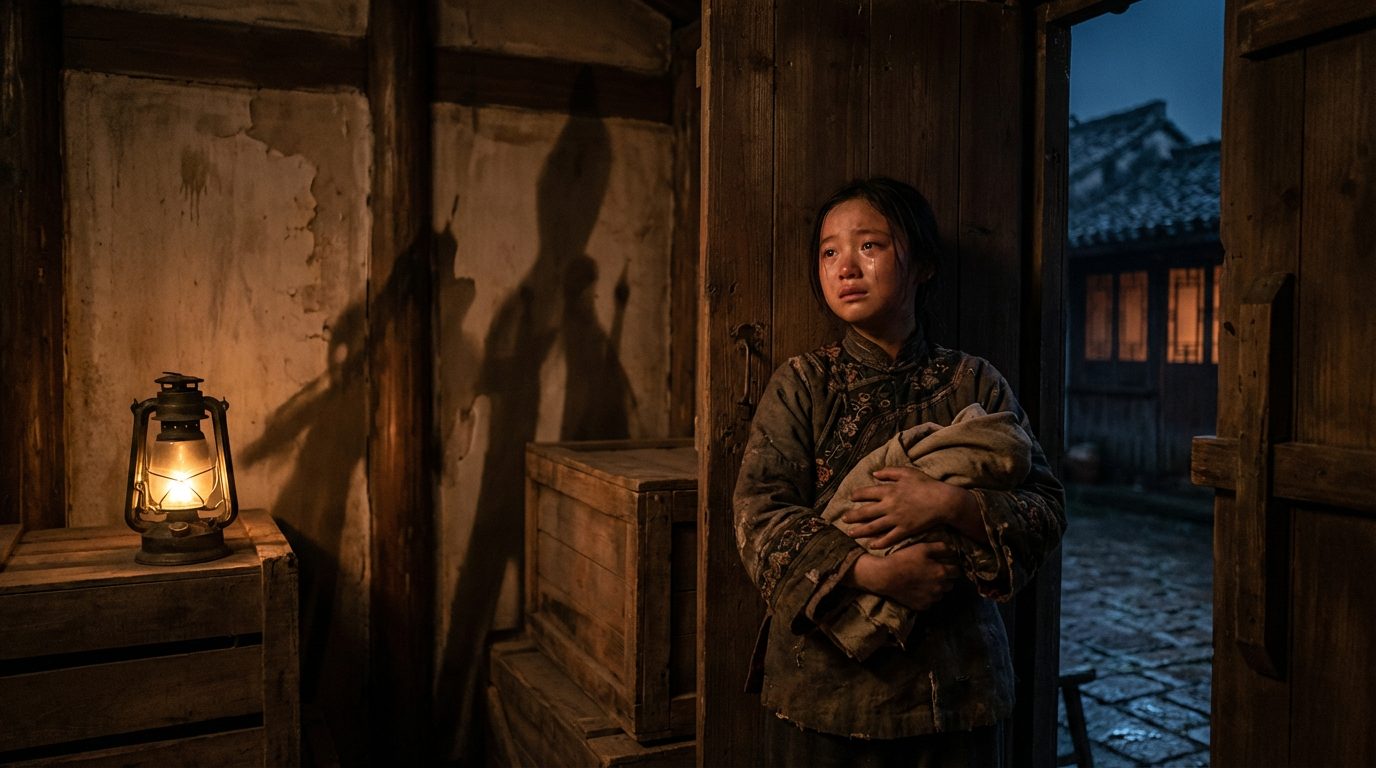
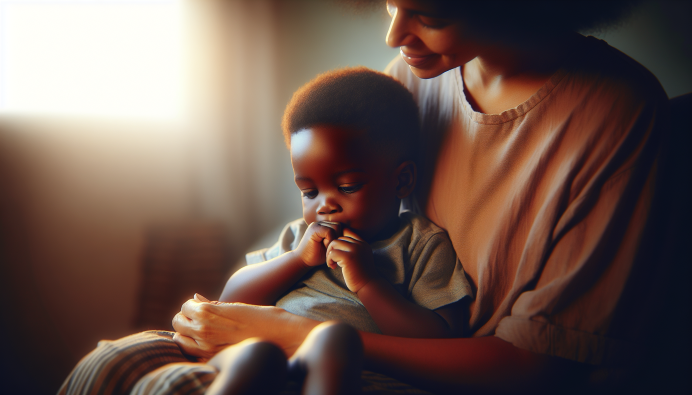
Parents and other caregivers whose children have experienced traumatic events, especially events related to becoming a refugee, often feel at a loss as to what they can do to help their kids. Here are some ideas that might be helpful. It is especially difficult to help if those adults are extremely upset also.
Related post: Nurturing Presence: How to Support Children through Healing Moments
When a natural disaster strikes, whether it’s a hurricane, earthquake, wildfire, or flood, it can shake not only our environment but also the emotional foundation of the children in our care. The trauma they experience often lingers long after the physical danger has passed. Many children may struggle to express their fear or sadness, and their reactions may confuse the adults trying to help.
And in my experience, what we don’t often talk about is that refugee children, those who have been displaced by war, violence, or political instability, exhibit very similar emotional and behavioral responses to trauma as children affected by disasters. As someone who has worked extensively with refugee populations, I’ve seen this firsthand. Whether the disruption is environmental or man-made, the emotional landscape is the same: grief, fear, loss of safety, and uncertainty about the future.
That’s why many of the same tools used to support children after disasters are also incredibly helpful when working with refugee children. Both need patient, trauma-informed care. Both benefit from routine, predictability, and safe spaces to express their feelings. Both require adults who can offer comfort, stability, and a consistent message: you are safe, you are not alone, and this was not your fault.
To support parents, caregivers, and educators, I am offering a printable handout written by me, an educator and trauma specialist, several years ago. It outlines clear, practical steps for helping children process traumatic experiences and begin to heal, whether that trauma came from a collapsed building or a collapsed homeland.
👉 Download the handout: “Helping Children After a Disaster” by Beryl Cheal
If you work with refugee children or children recovering from disaster, this guide belongs in your toolkit.
Let’s work together to ensure that after disaster, healing can begin—with care, patience, and love.